SPACESHIP.COM - UNBEATABLE $4.98 Dot Com Domain Registrations
Egg.com has long held a special place in the minds of UK internet users and finance enthusiasts alike. Not just an evocative domain name, Egg.com was once the gateway to one of Britain’s most innovative digital banking brands. Today, its journey continues into new hands, and the domain is beginning a new chapter. Let’s look back at the history of Egg.com, including its roots, previous owners, and the recent sale that has made headlines.
Beginnings: The First UK Internet Bank
Egg was born out of Prudential plc’s desire to jump into the digital era. Established in 1996 as part of Prudential’s banking division, the Egg brand officially launched in October 1998. It quickly became the UK’s first internet-only bank, introducing online savings accounts and later, the country’s first online credit card. Egg was bold, offering top savings rates and marketing itself as a digital-first alternative — a proposition that swiftly attracted over 2 million customers and billions in deposits within months of launching.
Rapid Growth and Ownership Changes
Egg’s rapid expansion drew investor attention. In 2000, Prudential floated 21% of Egg on the London Stock Exchange, but changing market conditions led to Prudential buying back the shares and delisting Egg in 2006. For a brief period, Egg even attempted to expand into France, only to fold its overseas operations after significant losses.
A major turning point came in 2007, when Prudential sold Egg to banking giant Citigroup for £575 million. However, Citigroup’s ownership was relatively short-lived. Facing strategic changes, Citigroup began divesting Egg’s assets, which led to Barclaycard purchasing its credit card portfolio in March 2011.
Move to Yorkshire Building Society
The final stages of Egg as a consumer banking brand arrived later in 2011. Yorkshire Building Society (YBS) purchased Egg’s remaining savings and mortgage books, effectively merging these operations and transferring hundreds of thousands of customers. In this transaction, YBS also acquired the Egg trademarks and domain names, marking the end of the original Egg banking entity.
For several years, Yorkshire Building Society retained both the Egg brand and its online presence, but Egg lived on in name only, as all operations were folded into YBS’s offerings.
The Recent Sale of Egg.com
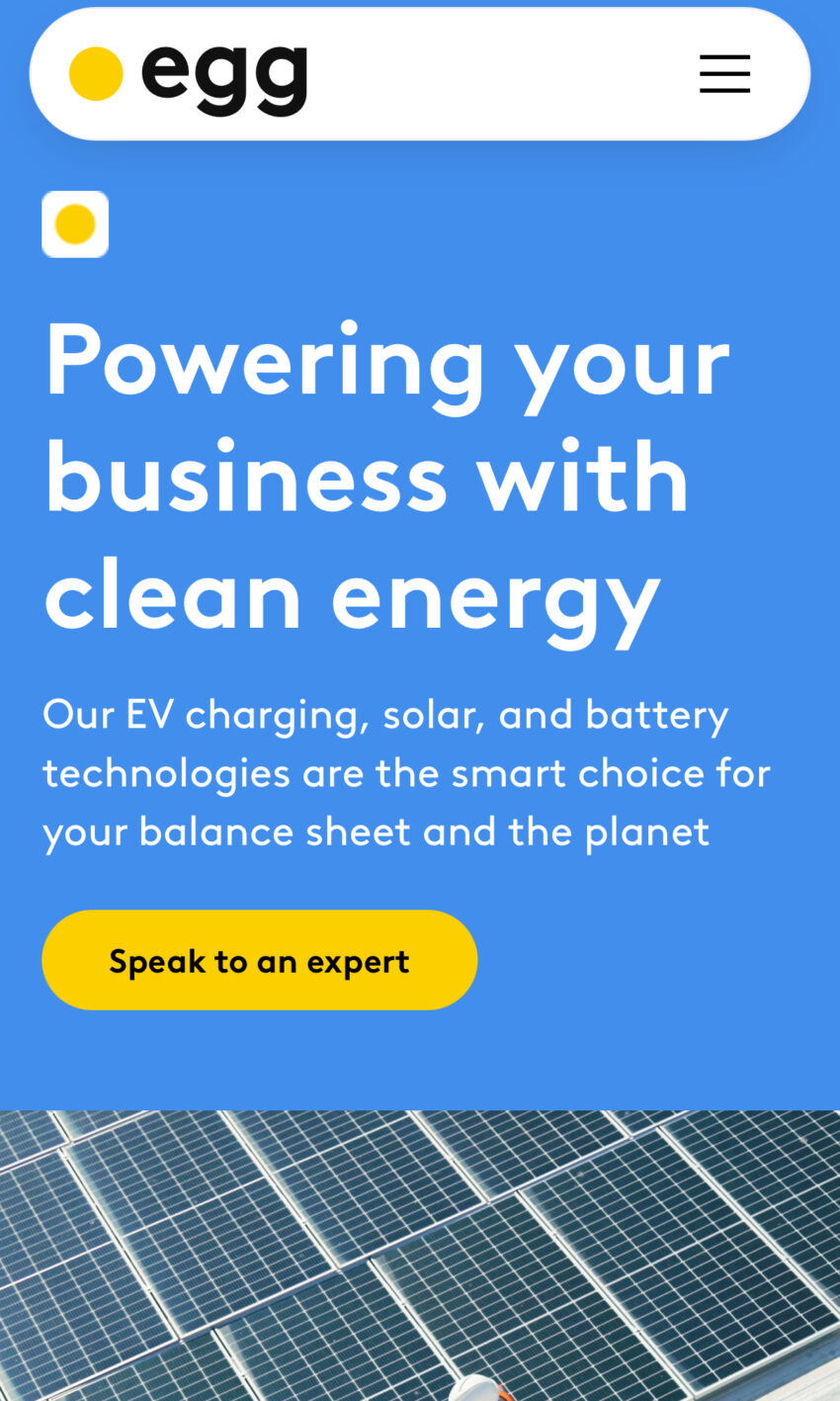
In a new development, YBS has now sold the Egg trademarks and domain names to Phoenix Renewables Ltd, part of the Liberty Global Group. Phoenix Renewables will use the Egg brand for its own purposes; YBS clarified that neither it nor Egg’s former financial products will be associated with the domain from this point forward.
Egg.com itself, apart from its corporate brand, remains a coveted digital asset. Domain names like these command significant value due to their simplicity and recognition, making them targets for acquisition by both legacy brands and new ventures seeking immediate trust and visibility online.
Why the Egg.com Domain Still Matters
The sale of Egg.com marks the end of an era in UK fintech, but it also highlights the continuing value of premium digital assets:
- Brand Equity: Egg.com is instantly memorable, reflecting both its financial services legacy and universal consumer appeal.
- Domain Investment: Premium domain names appreciate in value, providing credibility and direct traffic to new owners.
- Rebranding and Repurposing: As businesses evolve, legacy domains like Egg.com can enjoy second lives beyond their original intent, often in entirely new industries or sectors.
Conclusion
From Prudential’s digital experiment to UK online banking pioneer, and through highs, lows, and multiple ownerships, Egg.com has traversed a unique path in internet history. Now, as the domain embarks on a new journey with Phoenix Renewables, it stands as a reminder of the enduring importance of digital assets in both finance and branding.
The story of Egg.com isn’t just about banking innovation—it’s about how the value of a domain can persist and be reinvented long after the original business is gone.
i would say it was at least £7.5 million of the purchase of the company. ty